
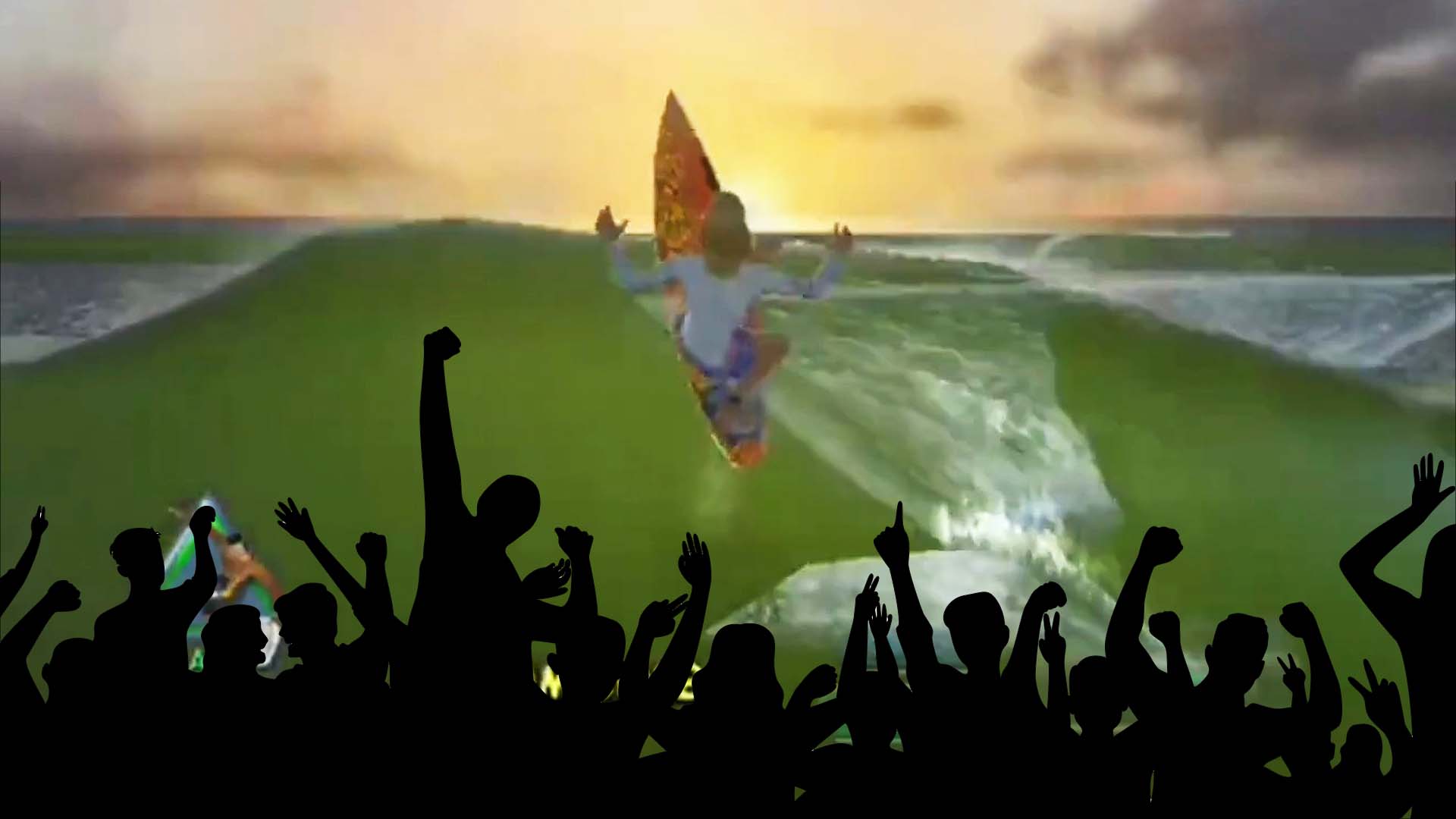
A Blast from the Past: Revisiting Kelly Slater’s Pro Surfer
In the fast-paced world of modern gaming, where ray tracing and 4K resolution are the industry standards, it is rare that we find ourselves looking back at the early 2000s for a technical masterclass. However, a viral resurgence of interest in 2002’s Kelly Slater’s Pro Surfer has reminded the gaming community that sometimes, artistic direction and clever programming triumph over pure brute-force processing power. The way this game handles liquid dynamics continues to leave modern players—and even seasoned developers—in absolute awe.
The Technical Marvel of the PlayStation 2 Era
When Kelly Slater’s Pro Surfer launched, it was competing in a crowded space of extreme sports titles. While Tony Hawk’s Pro Skater dominated the pavement, this title aimed to conquer the ocean. The challenge of rendering realistic water physics in 2002 was monumental. Most games at the time utilized simple, repetitive wave animations that felt static and lifeless. The developers of this surf classic, however, took a different approach, focusing on procedural movement and transparency that mimicked the chaotic nature of the tide.
Why Modern Engines Struggle to Replicate This Feel
Why are players still talking about this decades later? It comes down to “game feel.” Modern graphics cards are excellent at rendering hyper-realistic water reflections, but often, the actual interaction between the character model and the surface feels disconnected. In Kelly Slater’s Pro Surfer, the wave isn’t just a backdrop—it is a tangible, shifting obstacle. The way the board slices through the crest, the spray particles generated upon landing an aerial, and the fluid transition between the barrel and the open ocean create an immersion that many current-gen games fail to achieve.
The Lesson for Today’s Developers
As we look forward to the next generation of hardware, there is a vital lesson hidden within the code of this twenty-year-old game: physics matters more than photorealism. When players move through a digital ocean, they want to feel the weight of the water. They want to see the ripple effects of their actions and the way the environment reacts to their momentum. The viral clips circulating on social media showcase how the game’s water behaves with a fluidity that seems almost impossible for a console released in 2000.
Looking Ahead: Can We Reclaim This Magic?
The gaming industry has shifted heavily toward massive open worlds, but often, the small, tactile details suffer in favor of scale. This rediscovery of Kelly Slater’s Pro Surfer serves as a poignant reminder that indie studios and major publishers alike should prioritize the core “feel” of their physics engines. Whether it’s surfing, flying, or driving, the interaction between the player and the environment is the heart of gaming. As we continue to push boundaries, we should look back at the classics not just for nostalgia, but to understand the fundamental building blocks of what makes a game truly stand the test of time.
Ultimately, if a title from 2002 can still make us pause and admire the surf, then developers have a clear roadmap for success. It isn’t always about the highest polygon count; it’s about the rhythm of the waves and the joy of the ride.