
The Digital Shift: A Hard Pill for Collectors to Swallow
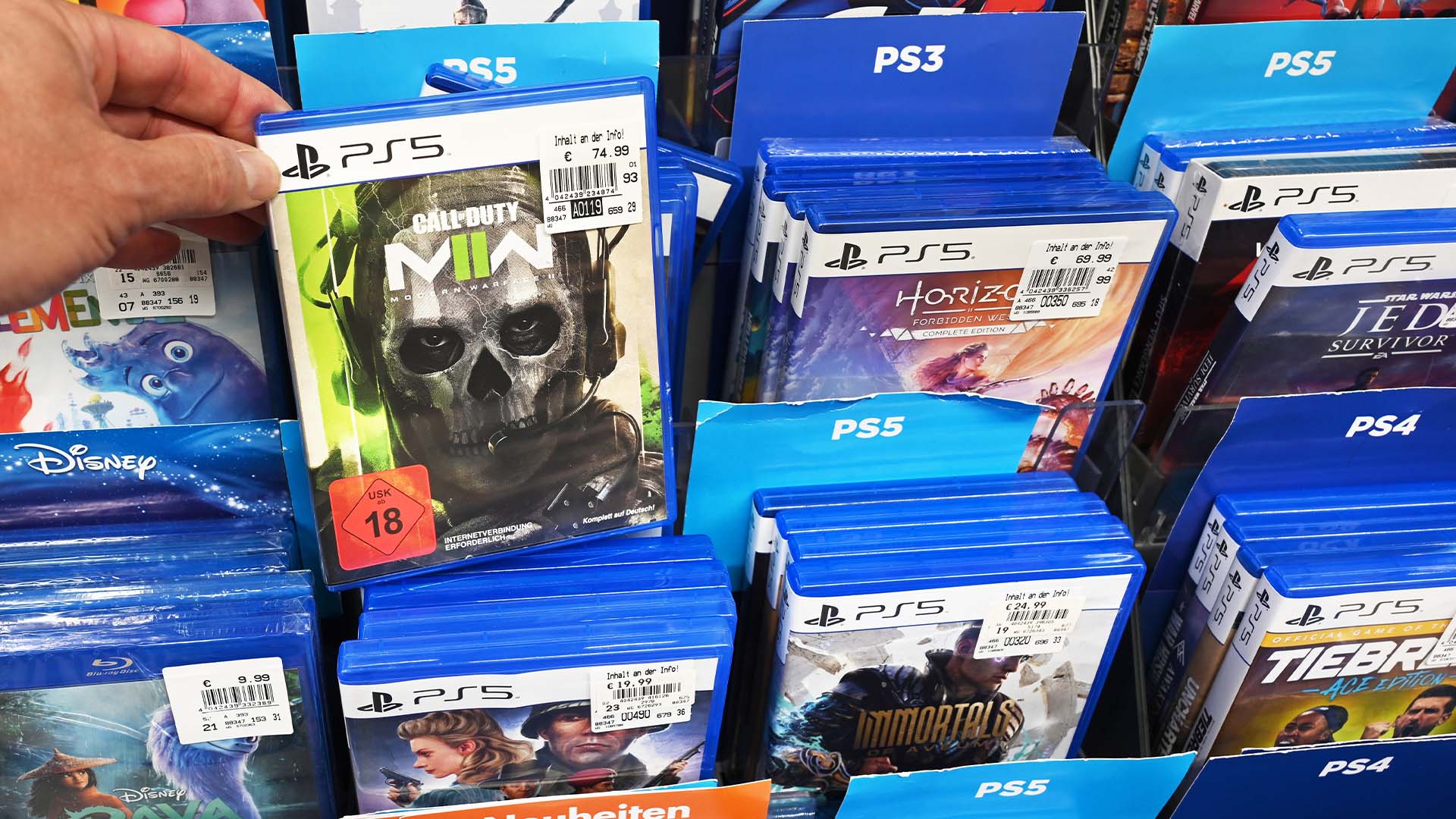
For decades, the ritual of sliding a disc into a console, hearing the whir of the optical drive, and placing a plastic case on a shelf has been the hallmark of gaming. However, that era is rapidly approaching a definitive conclusion. Recent comments from the European Union’s Consumer Rights Commissioner have made one thing crystal clear: regulators have no intention of forcing companies like Sony to maintain physical media production. As the industry pivots toward a cloud-connected, digital-first infrastructure, players are left wondering if the era of true ownership is effectively dead.
Why the EU Won’t Intervene in Hardware Strategy
Many fans had pinned their hopes on EU consumer protection laws to act as a barrier against the inevitable decline of physical games. The logic was simple: surely, in a market that champions consumer choice, the forced obsolescence of optical media could be challenged as an anti-consumer practice. However, the Commissioner’s statement serves as a cold splash of reality. From a regulatory standpoint, hardware manufacturers are free to innovate—or pivot—as they see fit. Sony and other major players are not legally obligated to cater to the niche segment of the market that prioritizes physical preservation over digital convenience.
The Business Argument for an All-Digital Ecosystem
To understand why this shift is happening, we have to look past the nostalgia and examine the bottom line. Digital distribution represents a massive increase in profit margins for publishers. By eliminating the costs associated with manufacturing, shipping, and the secondary used-game market, companies can exercise total control over their intellectual property. When you purchase a digital game, you aren’t really buying the software; you are purchasing a revocable license to access it. This model effectively kills the concept of ‘used games’ and keeps revenue flowing directly into the publisher’s coffers, rather than into the pockets of retailers like GameStop or independent resellers.
The Preservation Problem: Who Owns Your Library?
The transition to all-digital services creates a terrifying prospect for game preservation. History is replete with examples of storefronts closing, servers being shut down, and licenses expiring. Without a physical copy—a ‘gold master’ that exists offline—what happens to the games we’ve spent thousands of dollars on once a console’s digital ecosystem is eventually sunsetted? The gaming industry is effectively digitizing its history into a volatile state, where access is guaranteed only as long as the corporate entity behind it remains profitable.
What Does This Mean for the Future of PlayStation?
With the EU effectively washing its hands of the physical media debate, the path is wide open for Sony to transition fully toward discless hardware. The PlayStation 5 already saw the introduction of the Digital Edition, and the trend suggests that future iterations of the PlayStation brand will eschew disc drives entirely. While some argue that physical media remains a vital component of the gaming ecosystem, the market data suggests that the vast majority of players have already voted with their wallets, prioritizing the instant gratification of digital downloads and subscription services like PS Plus over physical permanence.
The Final Word on Choice
Ultimately, while the news may be disheartening for collectors and preservationists, it is the new standard of the industry. We are witnessing the maturation—or perhaps the stagnation—of gaming as a service. As players, we are left in a position where our access to our own libraries is increasingly fragile, and legislative bodies are signaling that they have no interest in fighting this transition on behalf of the consumer. It is time for gamers to reconcile with the fact that the ‘all-digital future’ is no longer a looming threat—it is the present reality.