
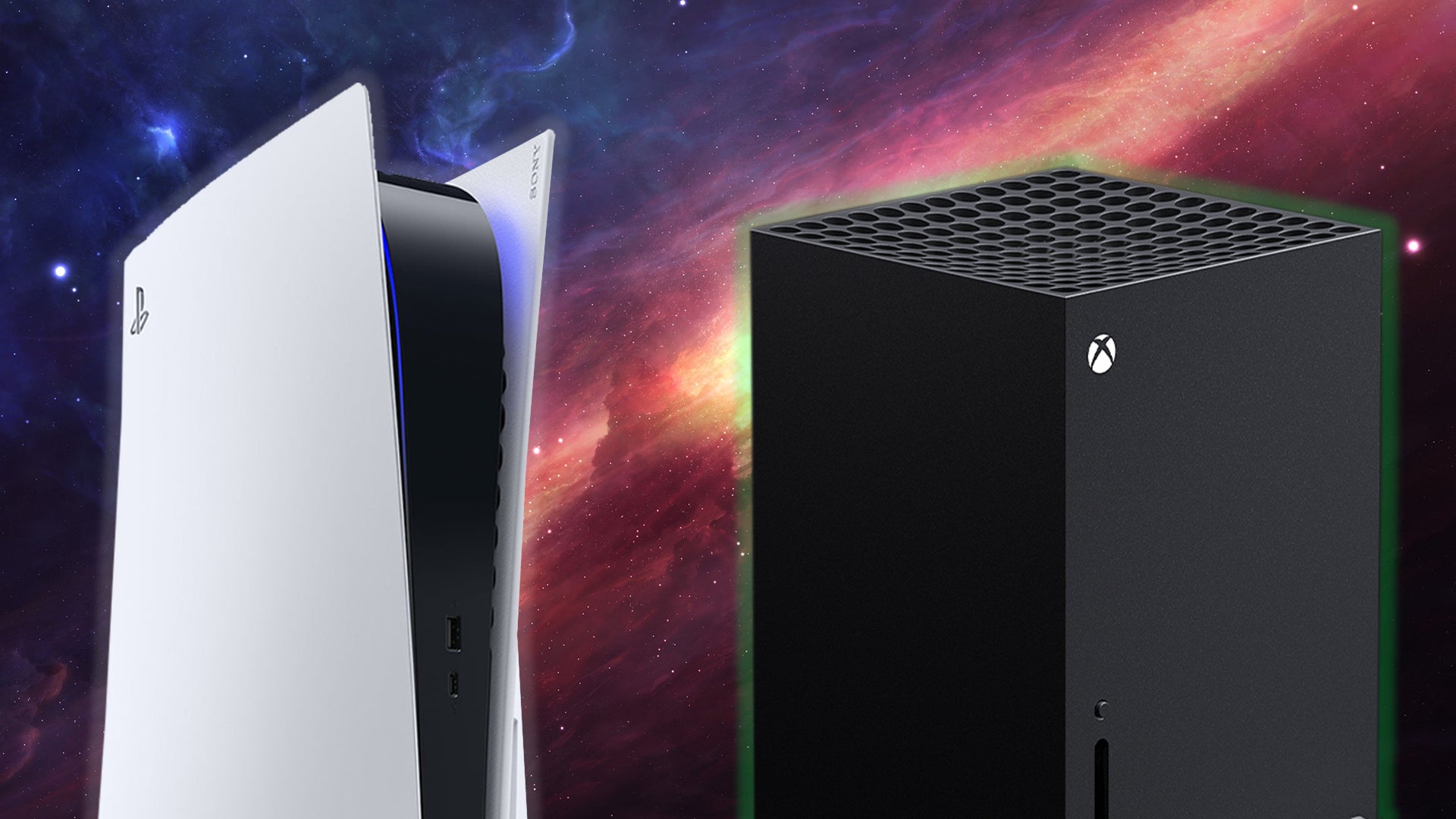
The Diminishing Returns of Raw Hardware Power
For decades, the trajectory of console gaming has been defined by a simple, reliable pattern: every seven years or so, we receive a new box that is more powerful, more efficient, and better looking than the last. But as we push deeper into the current generation, industry veterans are sounding the alarm. The era of exponential performance gains is hitting a wall, and the hardware manufacturers are desperate to find a new value proposition. The burning question remains: at what point does the cost of entry outweigh the actual experience?
Industry experts are increasingly vocal about the ‘thousand-dollar console’ looming on the horizon. With mid-generation refreshes costing more than ever and inflation impacting manufacturing logistics, the barrier to entry is creeping toward premium gaming PC territory. The concern here isn’t just the price tag—it is what that price tag represents. When we look at hardware that costs a month’s rent, we have to ask: what exactly are we paying for?
The Ray Tracing Trap
We have reached a point of visual fidelity where the average consumer is struggling to spot the difference between ‘excellent’ and ‘perfect.’ The industry’s obsession with chasing higher frame rates and more complex ray tracing calculations feels like a diminishing return. As one veteran developer famously questioned, ‘Really, how much more ray tracing can you put in there?’ We are rapidly approaching the limit of the human eye’s ability to discern lighting improvements in a fast-paced game environment. If the marketing for the next generation of consoles is purely focused on marginal graphical upgrades, the consumer base will inevitably reach a breaking point.
The Necessity of True Innovation
If hardware manufacturers continue to double down on raw horsepower at the expense of accessibility, they risk alienating the casual and core demographics alike. The solution, according to those who have built this industry from the ground up, is not found in more transistors or higher clock speeds. It is found in innovation that changes how we actually play.
Redefining the Gaming Experience
True innovation looks like the introduction of entirely new genres, advancements in AI-driven NPCs, or hardware that enables deeper social interactions within digital spaces. It means moving away from the ‘photorealism race’ and towards systems that prioritize creative potential. If a console is going to cost a thousand dollars, it cannot just be a slightly faster version of what we have today—it needs to offer an experience that is fundamentally impossible on current hardware. We need to see progress in haptics, physics simulation, and interconnected software ecosystems, rather than just another cycle of 4K textures.
Is the Industry Ready to Shift Gears?
The danger of the high-priced console is that it narrows the audience to a small sliver of high-earners, potentially stifling the growth of the medium as a whole. Gaming has historically succeeded because of its reach, its ability to be a ‘living room’ staple that brings people together. If we price the next generation out of the average home, we are effectively shrinking our own industry. The push for premium hardware is a slippery slope. Manufacturers must choose between being purveyors of ultra-niche, overpriced enthusiast toys or remaining the architects of mass-market entertainment. The road ahead for the industry requires a delicate balance of technical ambition and fiscal sensibility. As we look toward the next cycle, we should indeed be wary of the thousand-dollar console, but more importantly, we should be demanding a level of innovation that justifies the price of admission. The future of gaming shouldn’t be about the cost of the silicon inside the box, but the richness of the worlds it allows us to explore.