
A New Era of Convenience or a Sign of Decline?
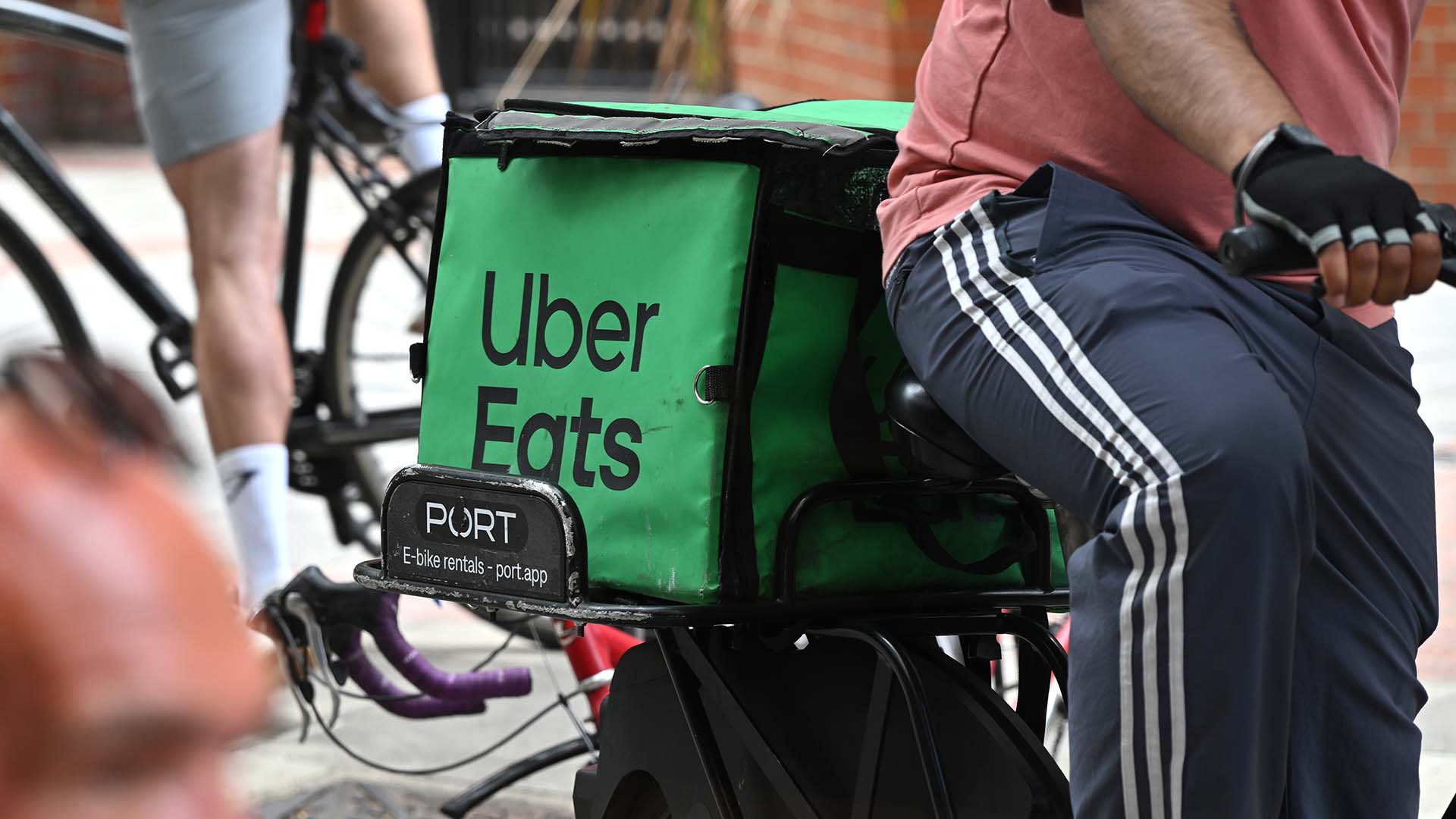
The gaming industry has been moving toward a digital-first reality for over a decade, but the latest move from GameStop feels like a tipping point. In a strategic pivot that blurs the lines between gaming retail and food delivery, GameStop has officially partnered with Uber Eats. While the convenience of having a copy of the latest AAA blockbuster dropped on your doorstep within an hour is undeniably flashy, it raises uncomfortable questions about the health of the physical media market.
Why the Uber Eats Partnership Matters
At first glance, this is a logistics play. By leveraging the vast network of Uber Eats drivers, GameStop is attempting to offer the ‘instant gratification’ of a digital download with the tactile experience of a physical disc. However, in an era where high-speed internet makes day-one patches and digital library management seamless, is there still a hunger for physical retail delivery? Many analysts suggest this is less about innovation and more about survival—an attempt to remain relevant as brick-and-mortar storefronts struggle to justify their footprint in a digital landscape.
The Cost of Nostalgia: Is It Worth the Premium?
Beyond the logistical novelty lies the elephant in the room: the price tag. With delivery fees and potential markups, getting a physical game via a ride-sharing delivery service can cost the consumer $10 to $15 more than the standard retail price. For the average gamer, this premium is a massive hurdle. Is the ability to hold a plastic case and enjoy the ritual of disc-swapping worth an extra twenty percent of the game’s total cost? For most, the answer is a resounding no.
The Declining Market for Discs
Physical games are increasingly being relegated to the ‘collector’s category’ rather than the ‘essential format.’ Sony and Microsoft have both pushed heavily toward all-digital hardware iterations, suggesting that the industry giants are eager to cut out the middlemen entirely. When platforms control the storefront, they control the data, the pricing, and the ecosystem. GameStop’s reliance on third-party delivery services highlights a fragile supply chain that is increasingly disconnected from how modern players actually consume content.
The Future of Game Retail
We are witnessing the final act of physical game retail. While the dream of owning your media will persist among enthusiasts, the mass market has clearly spoken. Services like Xbox Game Pass, PlayStation Plus, and Steam have fundamentally shifted the value proposition. Gamers want instant access, cloud integration, and cross-platform utility—things that a physical disc, no matter how quickly it is delivered, simply cannot provide.
What Should Collectors Expect?
If you are a physical media advocate, this partnership might feel like a temporary reprieve. But in the long run, it likely represents the sunset of local game retail. As GameStop pivots to survive in an Uber-driven world, it suggests that the company is bracing for a future where physical discs are no longer a standard utility, but a luxury commodity. Will this move keep the doors open, or is it merely delaying the inevitable? Only time will tell, but for now, we have to ask ourselves if we are willing to pay the ‘delivery tax’ for a piece of media that the industry seems desperate to move away from entirely.