
The Intersection of Fast Food and Gaming Culture
In the digital age, the lines between fast food marketing and gaming culture have blurred to an almost unrecognizable degree. We see it everywhere: limited-edition neon-colored sodas, double XP codes under burger wrappers, and professional esports teams sponsored by massive quick-service chains. However, there is a fine line between relatable engagement and a PR disaster that leaves players wondering exactly what the marketing team was thinking. Recent events involving Taco Bell have brought this conversation to the forefront of the gaming industry.
Understanding the Viral Marketing Landscape
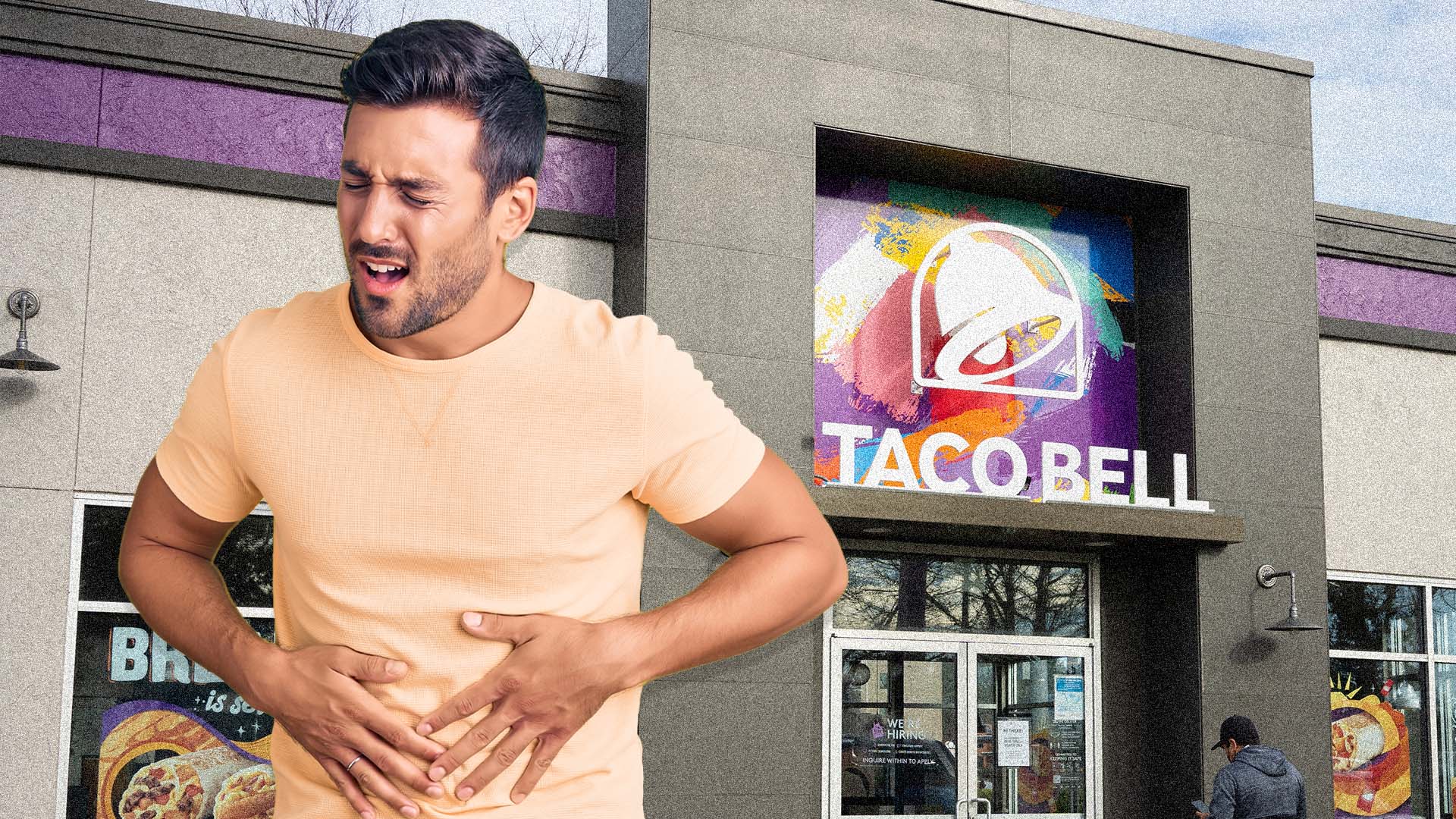
For gamers, social media is a hub for community interaction and brand engagement. When a major brand like Taco Bell makes a move, the gaming community takes note. Recently, the company found itself in the spotlight for all the wrong reasons. Following a health crisis, the brand utilized a low-effort approach—posting an apology via a screenshots of a mobile ‘Notes’ app—to address widespread health concerns. This move has sparked a massive conversation about how gaming-adjacent brands manage crisis communications in a landscape dominated by memes and rapid-fire social discourse.
Why Gaming Authenticity Matters
Gamers pride themselves on detecting ‘fake’ or ‘cringe’ marketing. When a brand tries too hard to hop on a trend, it often backfires spectacularly. The recent ‘Notes App’ apology is a case study in how not to handle sensitive situations. Rather than focusing on genuine remediation, the perceived ‘clout chasing’ during a public health issue alienated the very demographic that companies strive to keep as loyal customers. In the gaming world, transparency is king; players demand accountability, whether it’s from a game developer delaying a patch or a major food partner managing a public health emergency.
The Impact on Brand Loyalty
How do these controversies affect the gaming industry? When a lifestyle partner becomes a meme for the wrong reasons, the brand equity of the games associated with them can suffer by association. Competitive gaming is built on partnerships and sponsorships. If a brand’s reputation hits a rock-bottom moment, teams and leagues may feel the pressure to distance themselves. Authenticity is the bridge between a successful cross-promotion and a PR failure that haunts a brand for years.
Looking Ahead: The Future of Brand Collabs
As we look toward the future of gaming, brands must learn that social media is not just a megaphone for sales—it is a two-way street requiring empathy and professional management. The ‘Notes App’ apology method is now a textbook example of poor communication in the digital era. For gaming marketers, the lesson is clear: if you are going to insert yourself into the gaming conversation, do it with integrity and a deep understanding of your audience. Players are smart, connected, and quick to call out performative behavior. Moving forward, we expect to see more scrutiny placed on these corporate alliances as the community continues to demand a higher standard of conduct from the brands that share their space.