
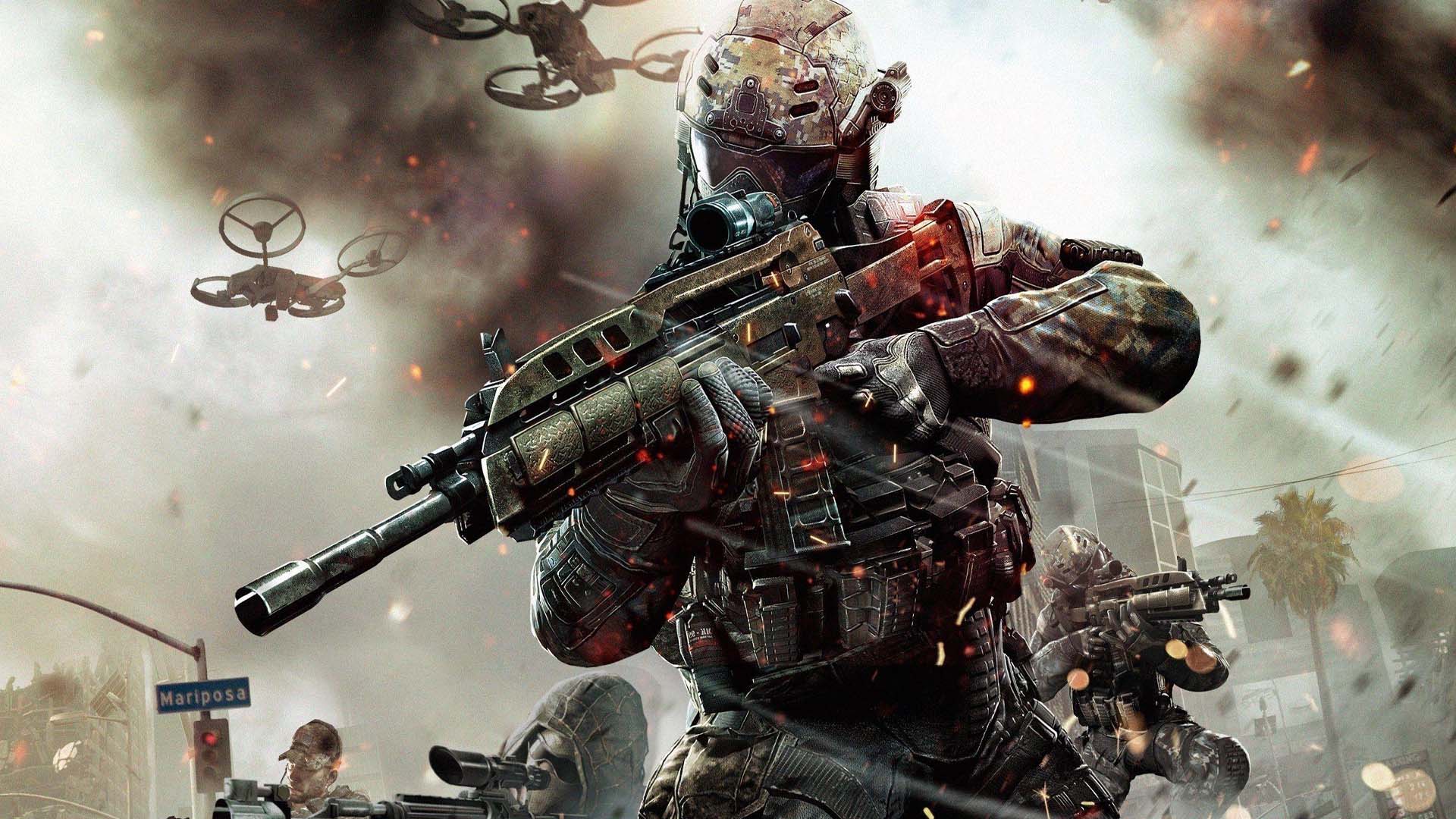
The Nostalgia Trip Takes a Dark Turn
For many gaming enthusiasts, revisiting classic titles is a cherished weekend ritual. Few games hold the legendary status of Call of Duty: Black Ops 2, a milestone in first-person shooter history that still boasts a dedicated community of loyal players. However, diving back into the classic multiplayer lobbies on modern PlayStation consoles has recently turned into a frustrating nightmare. Reports are flooding in from the community that a notorious hacker has resurfaced, actively destabilizing matches and making the game virtually unplayable for anyone looking for an authentic trip down memory lane.
As live-service games age, security maintenance naturally dwindles. Legacy titles like Black Ops 2 lack the robust, modern anti-cheat systems found in current releases like Modern Warfare III or Warzone. This security deficit makes them prime targets for malicious actors seeking notoriety or simply looking to grief casual players. The return of this specific high-profile exploiter highlights the vulnerabilities inherent in legacy console multiplayer ecosystems.
What Is Happening in Black Ops 2 Lobbies?
Players attempting to load into public matches on PS4 and PS5 are encountering severe technical disruptions. From corrupted leaderboards and altered game modes to outright game crashes, the user experience has completely collapsed in affected lobbies. The hacker’s return has reintroduced exploits that allow unauthorized control over game states, rendering matches entirely unfair and frustratingly brief.
Community forums and social media channels are currently flooded with warning threads urging fans to steer clear of the PlayStation version entirely. While matchmaking servers are technically still online, entering a public game feels like playing Russian roulette with your system stability. Players report being trapped in infinite loading loops, having their stats forcibly reset, or facing custom game rules implemented maliciously by the intruder.
Why Legacy Call of Duty Titles Are Vulnerable
The core issue stems from architecture designed over a decade ago. When Black Ops 2 launched in 2012, peer-to-peer networking and older console firmware structures were standard. Over the years, exploit developers have reverse-engineered these systems extensively. Without active developer intervention or dedicated security patches from Activision and Treyarch, these classic multiplayer environments remain completely exposed to bad actors.
Furthermore, because the game spans multiple console generations—playable via backwards compatibility or legacy hardware—the attack surface is broad. While Microsoft has occasionally stepped in to fix matchmaking and server stability on Xbox backward-compatible titles, Sony’s infrastructure for handling older PS3 ports running on newer systems presents unique challenges, often leaving players stranded without official developer support.
How the Gaming Community Is Responding
In the face of these rampant exploits, the Call of Duty community has taken matters into its own hands. Veteran players are organizing private, invite-only lobbies using trusted networks to bypass public matchmaking entirely. By avoiding open lobbies where the notorious hacker operates, fans can still enjoy the timeless maps like Nuketown 2025 and Raid without falling victim to malicious tampering.
Content creators and community leaders are also amplifying the issue, hoping to catch the attention of Activision’s support teams. While a total security overhaul for an older title is unlikely, public pressure has occasionally forced publishers to deploy emergency server patches or temporarily disable compromised playlists.
Should You Play Black Ops 2 Right Now?
If you are thinking about dusting off your old disc or downloading the digital version on your PlayStation console, the short answer is: proceed with extreme caution. Sticking to local campaign modes or zombie matches played in solo mode remains safe and largely unaffected. However, venturing into online multiplayer public lobbies is a massive risk right now, as you are likely to encounter corrupted matches or game-breaking exploits orchestrated by returning bad actors.
As the gaming industry continues to grapple with the preservation of online multiplayer history, the plight of Black Ops 2 serves as a stark reminder of how fragile digital legacy environments can be. Until official countermeasures are deployed—if they ever are—players are advised to protect their gaming sessions and stick to private matches with friends.