
The End of the Road for the Lenovo G02
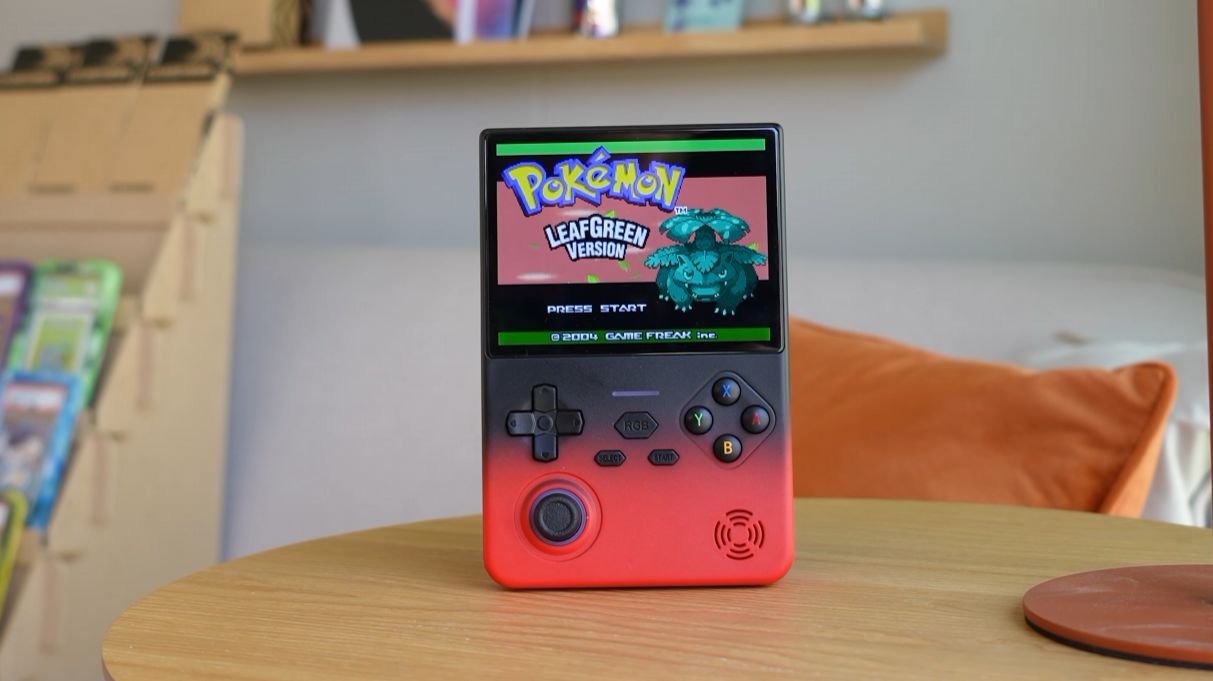
In a move that has sent ripples through the retro gaming hardware community, Lenovo has officially pulled the plug on the G02, a handheld device that had recently come under intense scrutiny for its questionable distribution of copyrighted software. For months, the G02 was marketed as an affordable, Game Boy-inspired device, but the allure of its nostalgia-heavy aesthetic was quickly overshadowed by a massive legal and ethical controversy: it came pre-installed with dozens of unauthorized Nintendo and Sega titles.
As major tech giants continue to navigate the complex waters of digital intellectual property, Lenovo’s decision to discontinue the G02 signals a broader industry shift toward stricter compliance and the protection of software ecosystems. While the device initially piqued the interest of hobbyists looking for a plug-and-play retro experience, the inclusion of pirated software made its market position unsustainable.
Why the G02 Became a Lightning Rod for Legal Trouble
The core issue surrounding the Lenovo G02 was never about the hardware itself, but rather the illicit software loadout. Modern handheld manufacturers have learned the hard way that bundling emulated games without proper licensing—especially titles belonging to industry titans like Nintendo and Sega—is a fast track to litigation. By shipping a device that relied entirely on unlicensed content to attract consumers, Lenovo placed itself in direct opposition to the companies that own the digital heritage it was attempting to monetize.
This incident serves as a stark reminder that the booming ‘retro-in-a-box’ market is not a lawless frontier. While the demand for portable emulation hardware is higher than ever, there is a clear distinction between open-source platforms that allow users to manage their own digital libraries and devices that prioritize piracy as a selling point.
The Future of Retro Gaming Hardware
As the G02 is removed from retail shelves and online storefronts, the industry is left to reflect on what this means for the future of handheld gaming. Will manufacturers continue to try and skirt the lines of copyright, or will we see a shift toward official, licensed emulation efforts? The success of official initiatives, such as the various classic editions released by Nintendo or Sega themselves, proves that players are more than willing to pay for high-quality, legal experiences that honor the source material.
What This Means for Enthusiasts
For the average gamer, this news might seem like the end of an era, but it is ultimately a positive step for the health of the industry. Developers, artists, and creators deserve to have their work protected, and piracy-packed devices undermine the value of the very games we hold dear. If we want to continue seeing these beloved franchises thrive, we must support platforms that prioritize intellectual property rights over the convenience of a ‘free’ library.
Lenovo’s pivot away from the G02 is a strategic correction that should encourage future developers to invest in original software or secure proper licensing agreements. The handheld market is far too exciting to be stifled by legal battles and copyright disputes. We look forward to seeing how Lenovo applies its manufacturing prowess to future projects that emphasize innovation and legitimacy, rather than relying on the shadows of the past.