Neon Vengeance: Why Cyber-Drift Racing is Dominating the 2026 Competitive Circuit
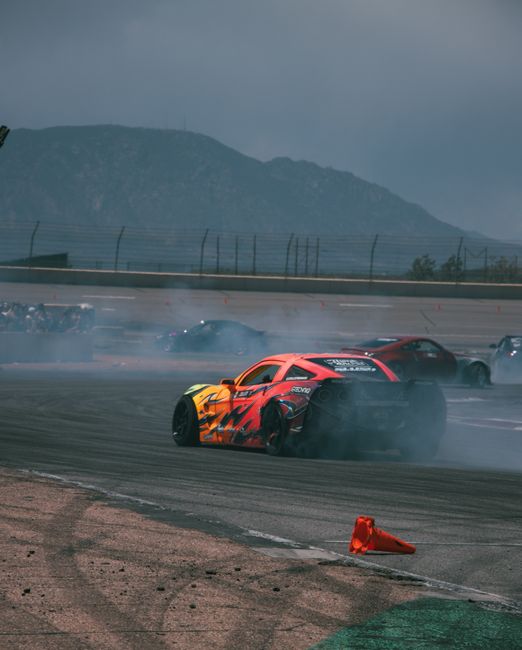
The virtual asphalt has never been hotter. As we cruise through the second quarter of 2026, the competitive gaming landscape has been fundamentally reshaped by the sudden, explosive popularity of Cyber-Drift Racing. What began as a niche indie title has evolved into a global esports phenomenon, drawing viewership numbers that rival legacy tactical shooters and traditional MOBA giants.
At its core, Cyber-Drift succeeds because it strips away the bloat of modern simulators. Instead of focusing on hyper-realistic tire pressure telemetry or complicated fuel management, the game leans heavily into high-octane, reflex-based arcade mechanics. It is all about the ‘drift-sync’—a rhythmic mechanic where players must time their throttle inputs to the beat of an adaptive, synth-wave soundtrack. When players hit the apex in perfect sync, the car gains a localized gravity boost, allowing for gravity-defying shortcuts that look like something out of a science fiction blockbuster.
The professional circuit, now officially sanctioned by the Global Gaming Federation, has introduced a new tier system for 2026. Pro teams like ‘Velocity Zenith’ and ‘Static Pulse’ have already begun signing contracts that emphasize frame-perfect reaction times over traditional strategy. The meta has shifted toward ‘weight-optimization’ builds, where racers strip their vehicles of secondary armor to favor raw acceleration, creating a high-stakes environment where one minor collision effectively ends a player’s podium aspirations.
We recently spoke with the lead developers regarding the upcoming ‘Midnight Patch,’ which promises to introduce dynamic weather conditions. Unlike traditional racing games where rain just lowers friction, Cyber-Drift‘s rain creates ‘liquid neon’ hazards. These slicks change color based on the current track intensity, requiring players to memorize color-coded traction zones on the fly. It is a brilliant addition that adds a layer of visual complexity without sacrificing the accessibility that made the game popular in the first place.
For those looking to break into the semi-pro ranks, the community advice is clear: stop treating it like a standard racer. Treat it like a rhythm game. Mastery of the input buffers is more important than memorizing track layouts. Practice your drift-sync on the ‘Neon Corridor’ map until you can hit 95% efficiency, and you will naturally find yourself climbing the ranked ladder faster than your peers. The barrier to entry is low, but the skill ceiling is arguably the highest we have seen in a decade of racing titles.
As we head into the summer tournament season, keep an eye on the upcoming Tokyo Invitational. This will be the first major LAN event where teams are permitted to use custom haptic-feedback steering wheels, a hardware shift that could significantly influence the final standings. Will the veterans adapt to the new gear, or will a fresh team of arcade-savvy newcomers take home the trophy? We will be covering the brackets live from the venue, so stay tuned for daily recaps and interviews with the top players.
Source: GGF Official News Portal, May 2026 Edition.