
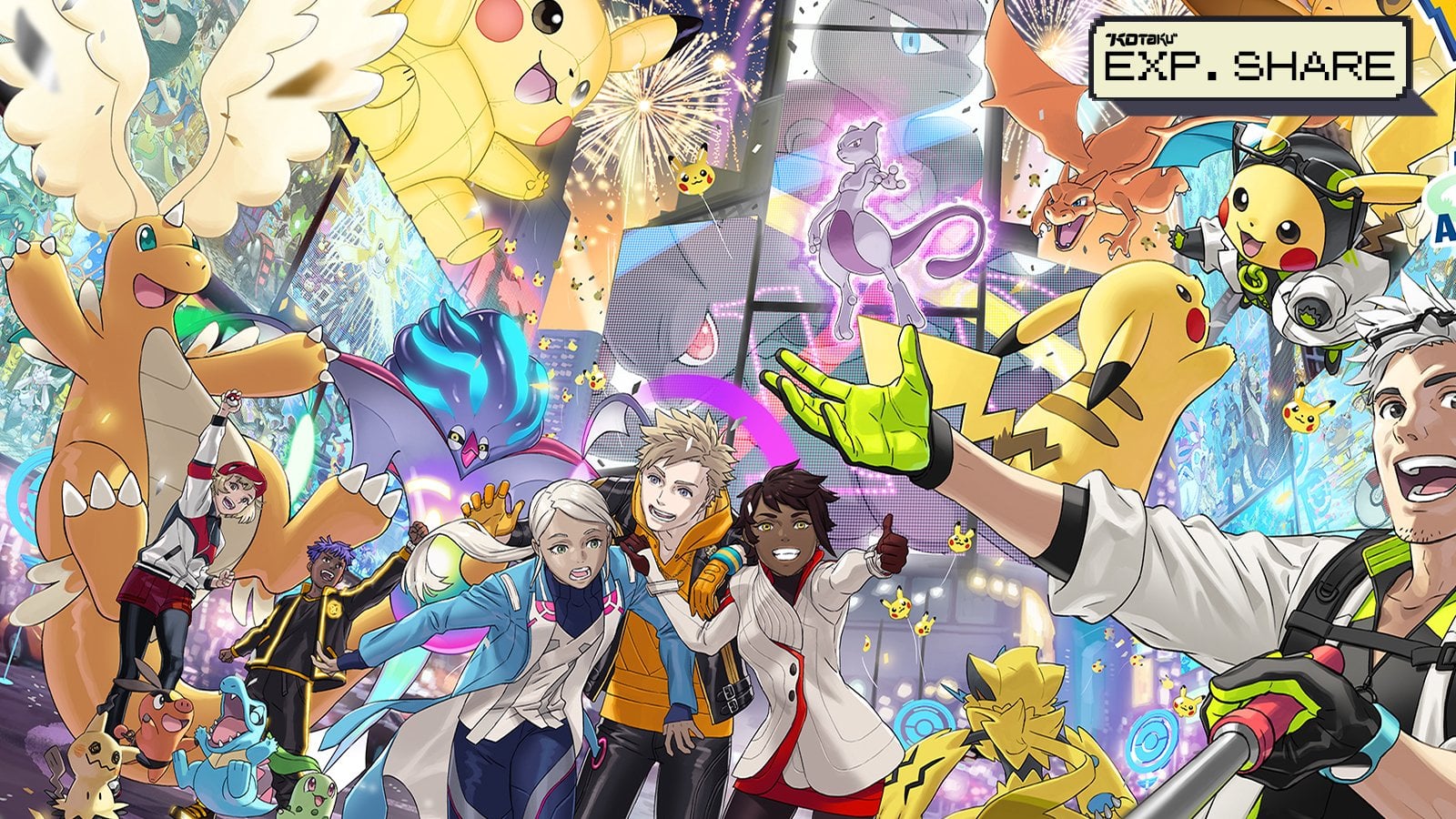
The Summer of Augmented Reality
A decade ago, the gaming landscape shifted forever. Niantic’s Pokémon Go burst onto mobile app stores, instantly transforming quiet neighborhood streets, bustling city parks, and mundane commutes into vibrant hunting grounds for virtual pocket monsters. People of all ages flooded public spaces, glued to their smartphone screens, united by the universal thrill of tossing a Poké Ball at a Pidgey or Pikachu hiding behind a local landmark. It was a cultural phenomenon unlike anything the video game industry had ever seen, bridging the gap between digital entertainment and real-world physical activity.
However, as the confetti from its record-breaking launch settled, the reality of maintaining such a massive, location-based augmented reality ecosystem began to set in. Ten years later, examining the legacy of Pokémon Go reveals a remarkably complicated picture filled with incredible community milestones, controversial monetization strategies, and a shifting relationship between developers and their devoted player base.
The Golden Era and Community Impact
At its peak, Pokémon Go achieved something most developers only dream of: it made gaming a genuinely social, face-to-face outdoor activity. Community days turned parks into festivals, raids forced strangers to cooperate in the real world to take down legendary Pokémon like Lugia and Mewtwo, and local economies occasionally saw boosts from foot traffic driven by nearby PokéStops. For millions of players, the game became less about the grind and more about exploration, exercise, and shared human connection.
Connecting Generations
One of the most profound aspects of the game’s success was its multi-generational appeal. Parents who grew up playing the original Game Boy titles in the late 1990s were suddenly exploring neighborhoods alongside their children, creating a bridge of shared nostalgia. This unique dynamic helped cement Pokémon Go not just as a passing fad, but as a cultural touchstone that redefined how mobile games could integrate with everyday life.
Controversies, Balancing Acts, and Corporate Decisions
Despite its monumental success, the journey has been far from smooth. Niantic’s relationship with its player base has weathered numerous storms. Controversial decisions—such as reverting pandemic-era quality-of-life adjustments, increasing ticket prices for digital events, and rolling out updates that frequently broke core features—have repeatedly strained community goodwill.
The Battle Over Remote Raids
Perhaps no single issue highlights the friction between developer vision and player preference quite like the ongoing debate over remote raid passes. When Niantic restricted remote raiding to encourage players back outside, the backlash was fierce and immediate. Rural players, disabled gamers, and those living in areas with declining active communities voiced deep frustration, arguing that these changes alienated core demographics who relied on remote features to enjoy the game safely and equitably.
Looking Ahead: The Next Chapter for AR Gaming
As Pokémon Go enters its second decade, its legacy remains heavily nuanced. It proved that augmented reality could capture the global imagination, paving the way for future mixed-reality hardware and location-based gaming innovations. Yet, it also serves as a cautionary tale about the difficulties of managing a live-service titan where millions of passionate players feel a sense of ownership over the virtual world they inhabit.
Ultimately, Pokémon Go is no longer just a game; it is a permanent fixture of modern pop culture. Whether it can recapture the magic of that unforgettable summer a decade ago remains to be seen, but its indelible mark on mobile gaming and real-world exploration is here to stay.