The Evolution of Tactical Shooters: Why Delta Force 2026 is Redefining Competitive Combat
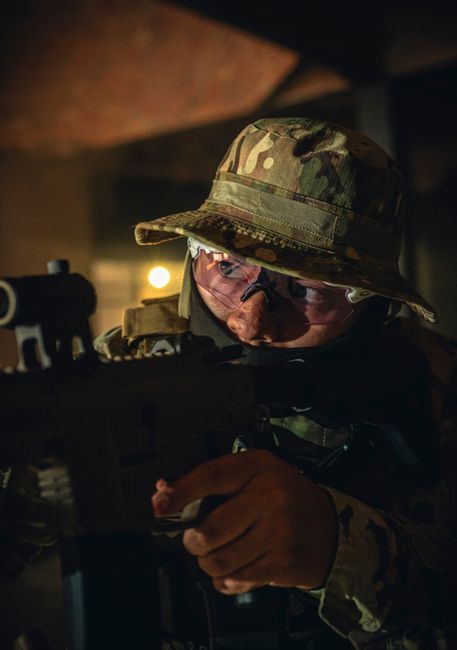
The tactical shooter genre has seen a massive resurgence in 2026, and at the forefront of this shift is the highly anticipated release of Delta Force. As players demand more depth, realism, and high-stakes consequence in their online experiences, this title manages to bridge the gap between arcade-style intensity and hardcore military simulation. Developers have focused heavily on environment destruction and squad-based coordination, ensuring that no two matches feel identical.
One of the most praised aspects of the new gameplay loop is the ‘Hazard Zone’ extraction mode. Unlike traditional battle royale games that force players into a closing circle, Delta Force encourages players to infiltrate, loot high-value tactical gear, and extract before time runs out. The risk-versus-reward tension is palpable, as every piece of equipment brought into the field represents an investment that could be lost permanently if the mission goes south. This weightiness is exactly what the modern competitive scene has been craving.
Beyond the extraction mechanics, the core gunplay feels tighter than ever. Weapon customization in 2026 gaming has reached a new peak, with intricate ballistics models that account for barrel length, muzzle velocity, and attachment weight. Players aren’t just slapping on scopes; they are balancing the mobility of their soldier against the recoil control of their primary weapon. It is a level of granularity that appeals to both casual enthusiasts and professional esports competitors.
Esports teams are already taking note, with early internal scrims showing a high ceiling for tactical skill expression. The meta currently revolves around high-mobility flanking maneuvers supported by long-range precision fire. As tournaments are announced for the upcoming season, analysts are expecting a seismic shift in how organizations recruit talent, favoring those with superior situational awareness over raw twitch reflexes. The ability to coordinate with a three-person fireteam under heavy suppression is proving to be the ultimate differentiator.
We also cannot ignore the visual fidelity that modern hardware brings to the table. The environments are densely populated with interactable objects that react to kinetic energy. Blowing a hole through a reinforced wall to create a new sightline is not just a visual spectacle—it is a core tactical requirement for breaking defensive strongholds. This level of environmental interaction ensures that the defense is constantly challenged, preventing the stagnant ‘camping’ metas that plagued tactical shooters of the past decade.
As we look forward to the first major patch of the season, scheduled for early next month, the community expectation is high. Fans are clamoring for more diverse maps and specialized class abilities that don’t disrupt the balance of the core gunplay. If the development team continues to listen to community feedback while maintaining the game’s brutal, high-stakes identity, Delta Force is well-positioned to become the definitive tactical shooter of the generation.
Whether you are a veteran of the classic 90s era or a newcomer looking for a competitive challenge, now is the time to dive in. Practice your communication, master the recoil patterns, and prepare for a long road to the top of the leaderboards. The digital battlefield has evolved, and only the most prepared operators will survive the season.
Source: Industry Gaming Weekly Reports 2026