The Evolution of Tactical Shooters: Why Delta Force: Hawk Ops is Dominating 2026
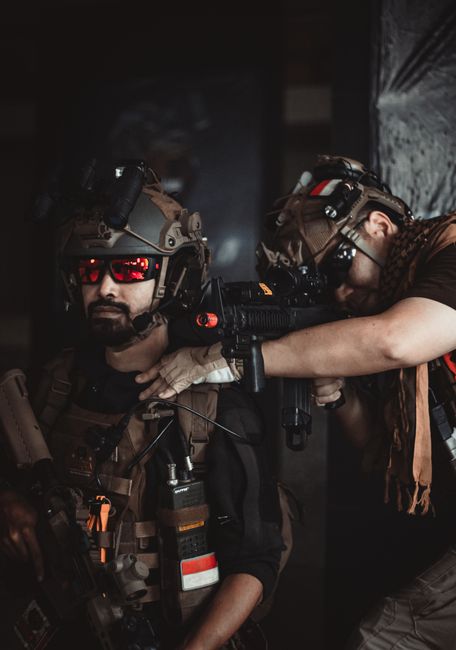
In the landscape of modern tactical shooters, few titles have managed to capture the frantic, high-stakes energy of the genre quite like the revival of the Delta Force franchise. As we move further into 2026, it is clear that Delta Force: Hawk Ops has set a new benchmark for team-based combat, blending the tactical depth of legacy military sims with the fluid, high-octane movement mechanics that today’s competitive players demand.
What makes this iteration so special is the level of environmental interactivity. Developers have doubled down on destructible landscapes, meaning that the cover you depend on in the first minute of a match might be reduced to rubble by the fifth. This keeps veteran players on their toes, forcing them to adapt their positioning dynamically rather than relying on static camping spots. The weapon customization suite is equally impressive, allowing for granular adjustments that actually impact recoil patterns and bullet velocity, rewarding players who spend time in the firing range dialing in their perfect loadout.
On the competitive circuit, Hawk Ops has become a darling of the esports scene. The extraction mode, in particular, offers a level of tension that many battle royale titles have lost over the years. By focusing on objective-based extraction rather than just last-man-standing survival, the game shifts the meta toward strategic coordination. Professional teams are now prioritizing recon-heavy compositions, turning the battlefield into a complex chess match where information gathering is just as lethal as raw aim.
For those looking to improve their performance, focus on mastering the class-specific gadgets. In 2026, the meta has moved away from ‘run and gun’ toward utility-based dominance. Operators who can effectively deploy smokes, jamming devices, and high-altitude sensors are currently dictating the pace of every major map. If you are playing solo, consider picking an operator with high mobility to compensate for the lack of coordinated team support. Understanding the map verticality is also critical; the design team has layered these environments to provide multiple routes to every objective, making flanking maneuvers essential for breaking defensive stalemates.
Looking ahead, the community is buzzing about the upcoming expansion packs, which are rumored to introduce amphibious combat mechanics. If the developers can integrate vehicle-based water combat without sacrificing the tight infantry gunplay that defines the series, they will likely cement their position at the top of the shooter hierarchy for the foreseeable future. Whether you are a casual player looking to unwind after work or a hardcore competitor grinding the ranked ladders, Delta Force: Hawk Ops provides a level of polish and intensity that is rare in the current market.
As the season progresses, expect to see more integration of clan-based tournaments. The developers have promised a dedicated hub for tournament organizers to host localized events, which will only bolster the grassroots community growth. The return of the Delta Force brand is not just a nostalgia trip; it is a masterclass in how to modernize a classic formula for a new generation of players. If you haven’t jumped in yet, now is the perfect time to drop into the chaos.
Source: Independent Gaming Analysis, 2026 Industry Report