
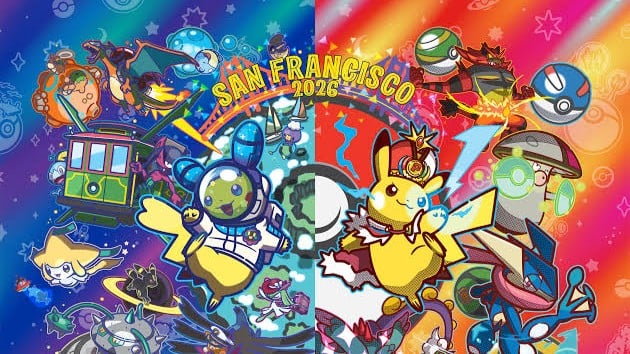
A Broken Gatekeeping Mechanism
For many competitive Pokémon trainers, the World Championships represent the pinnacle of the calendar year. It is the moment where years of grinding, team building, and regional qualification culminate in a clash of titans. However, as we look toward the 2026 iteration of Pokémon Worlds, a growing sentiment of frustration has permeated the community. The shift toward an increasingly complex and restrictive ticket lottery system has left thousands of dedicated fans feeling sidelined, prompting a vital question: is this really the best way to manage the most prestigious event in the franchise?
The Illusion of Fairness
At its core, a lottery system is designed to provide an equal playing field for everyone, stripping away the chaos of ‘first-come, first-served’ server crashes. But in practice, the Pokémon Worlds lottery has evolved into a source of immense anxiety. For the 2026 event, the registration process feels less like a celebration of community and more like a gamble against an algorithm. Fans are left waiting for a digital notification that determines whether or not they get to witness the history they have followed all year. When the demand for entry is ten times the available seating, a lottery doesn’t solve the scarcity problem—it just makes the heartbreak more clinical.
The Barrier to Entry for Grassroots Fans
The beauty of Pokémon has always been its accessibility. From the local card shop league to the international stage, the game is meant to bring people together. By implementing a rigid, high-stakes ticket lottery, The Pokémon Company is inadvertently creating an exclusionary environment. Veteran players, who have traveled to regional events throughout the qualifying season, find themselves unable to secure a seat simply because they didn’t win a random draw. This creates a disconnect between the competitive circuit and the spectator experience.
Why The System Needs a Complete Overhaul
Critics argue that the current model lacks a priority system. Shouldn’t those who have actively participated in the circuit, or long-time fans with verified accounts, receive a higher weight in the selection process? Currently, the lack of transparency in how winners are chosen has led to widespread speculation and cynicism. When the process feels arbitrary, the value of the experience diminishes. It is time for organizers to look at alternative models, such as tiered booking systems or verified fan programs, which reward loyalty and genuine engagement rather than blind luck.
Looking Ahead to 2026 and Beyond
As we approach the 2026 championships, the community is demanding a more inclusive approach. It is not enough to simply host a global event; the organization must ensure that the fans who keep the franchise alive are not left on the outside looking in. The current lottery system serves as a reminder that popularity brings challenges, but it should not come at the cost of alienating the core audience. If the goal is to make Pokémon Worlds the premier esports event in the world, the ticketing process must mirror the quality and professionalism of the actual competition on the stage.
Final Thoughts: Can We Do Better?
The frustration surrounding the 2026 lottery isn’t just about tickets; it’s about the feeling that the community’s voice is being ignored. As we wait for the final registration numbers and seat allocations, there is still time for a course correction. Whether it is through expanding capacity or implementing a smarter, more merit-based selection system, the status quo is clearly untenable. It is time for a change that keeps the heart and soul of the Pokémon community at the center of the experience.