The Resurgence of Tactical Shooters: Analyzing the Meta Shift in 2026
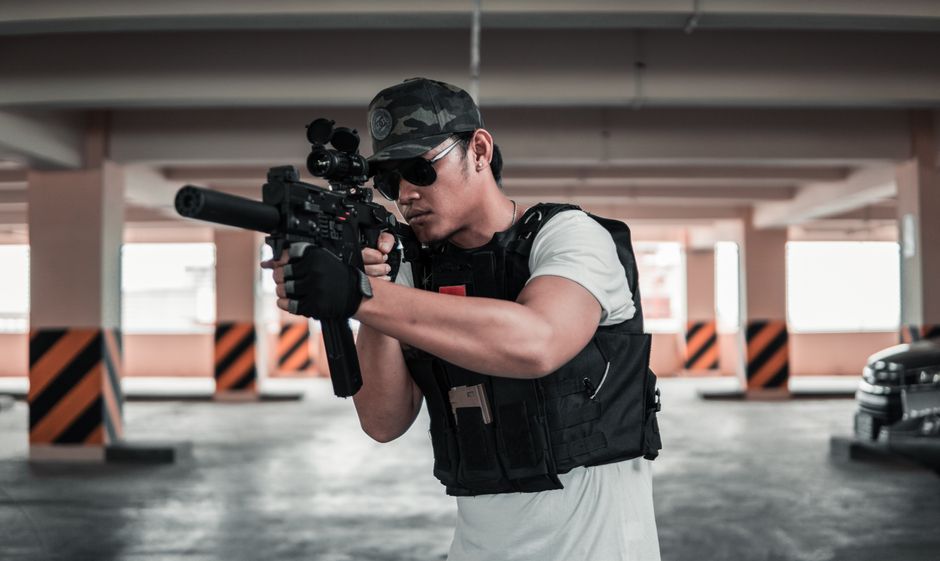
The landscape of competitive tactical shooters has undergone a seismic shift as we move deeper into 2026. Developers have moved away from chaotic, high-mobility arcade shooters, favoring instead the return of deliberate, communication-heavy gameplay that rewards map knowledge and mechanical precision over mere reaction times. As we examine the current top-tier titles dominating the esports scene, it is clear that players are craving a more grounded experience that emphasizes squad cooperation.
One of the most significant changes this year is the widespread adoption of destructible environment physics in competitive modes. Games like ‘Vanguard Siege’ have successfully integrated procedural destruction, forcing teams to reconsider traditional defensive strategies. No longer is a reinforced wall a permanent solution; now, players must account for verticality and floor breaches, which adds a fresh layer of complexity to every bomb site defense.
Weapon balancing has also seen a drastic overhaul. The ‘meta’ has moved away from singular ‘best-in-slot’ assault rifles to a more modular approach. The introduction of dynamic recoil patterns—where weapons behave differently depending on the surface they are rested on—has effectively ended the reign of stationary, long-range snipers in several major titles. This change encourages aggressive flanking maneuvers and forces players to engage in close-to-mid-range duels where movement and positioning are king.
Esports organizations are responding in kind. With major tournaments now requiring rosters to demonstrate proficiency across a wider map pool, the ‘one-trick’ player is becoming a relic of the past. The 2026 World Championship qualifiers have already highlighted teams that prioritize flexible utility usage over raw aim. It is a golden age for viewers who appreciate the ‘chess with guns’ style of play, as every match now feels like a high-stakes puzzle rather than a predictable shooting gallery.
For those looking to improve their standing in ranked ladders, the advice remains consistent: stop focusing purely on your crosshair placement. In the current iteration of the tactical genre, utility synergy is the primary driver of victory. Learning how to time your smoke grenades with your team’s flashbang entries is the difference between a bronze rank and a professional career path. Watch the replay files of top-tier professional matches and observe the communication loops during the initial thirty seconds of a round. You will notice that very few shots are fired; it is all about information gathering and map control.
As we look forward to the remainder of the year, we expect to see further refinement in character movement animations. The industry standard is pushing for more weight and momentum in player avatars, making movement feel intentional and risky. By limiting ‘strafing’ and ‘jitter’ movement exploits, developers are ensuring that the focus remains on tactical superiority rather than mechanical glitches. Whether you are a veteran of the classic tactical era or a newcomer exploring these modern iterations, the current state of gaming provides an unparalleled depth of competition that remains as exhilarating as it is challenging.
Source: Global Gaming Industry Report & Competitive Play Analytics 2026