
The Pirates Are Grounded: Another Ubisoft Connect Outage
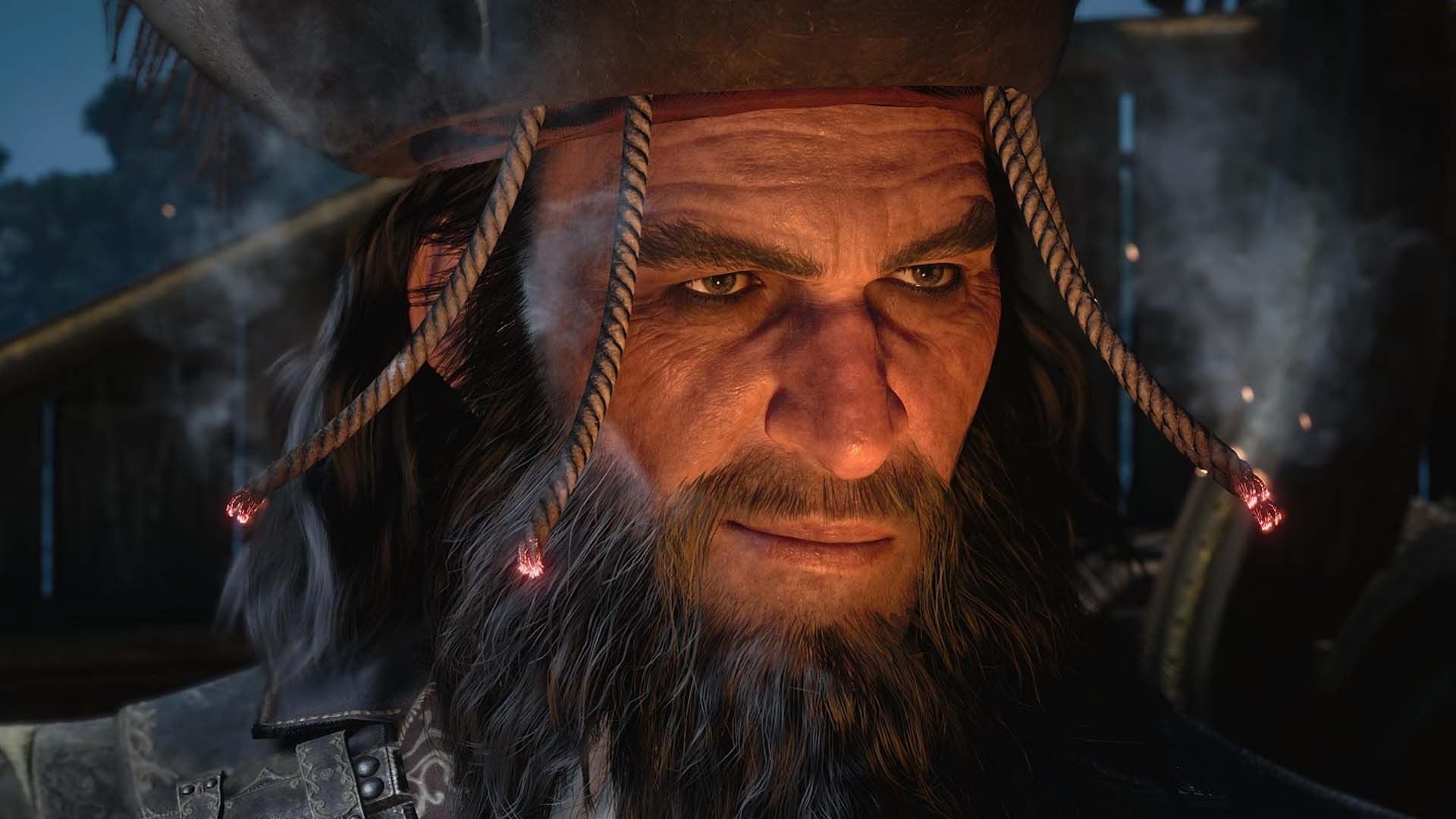
For many gamers, the weekend is a sanctuary—a precious block of time reserved for diving back into the Caribbean waters of Assassin’s Creed IV: Black Flag or exploring the sprawling open worlds that Ubisoft is famous for. However, this past Saturday, that sanctuary was rudely interrupted. A significant outage of the Ubisoft Connect launcher left players across the globe unable to boot their games, sparking a renewed and heated debate regarding the necessity and reliability of invasive Digital Rights Management (DRM) software.
When Promises Meet Reality
Ubisoft has spent years assuring its player base that while their titles require a connection for certain features, the core experience shouldn’t be held hostage by the stability of their servers. Yet, when the Ubisoft Connect services went dark, the reality was starkly different. Reports flooded social media and forums as fans realized that their digital libraries had effectively been locked. Even titles like Assassin’s Creed Black Flag, which many consider a classic single-player experience that should be immune to such issues, failed to launch, serving as a reminder that “owning” a game in the modern era is a fragile proposition.
The DRM Dilemma: Why Offline Mode Fails
The core of this issue lies in the design of modern launchers. Even when a game is intended for single-player exploration, the persistent handshake required between the user’s client and the publisher’s server creates a single point of failure. When that server goes down, so does your access to your purchased content. It is a recurring narrative that frustrates the community, as it penalizes paying customers while offering little to no benefit to the average player.
The Impact on Preservation and Ownership
Industry experts have long warned that the current trend of mandatory launchers threatens game preservation. If a publisher decides to shutter services or if an unforeseen outage strikes, the consumer is left with a product that does not function as advertised. The Black Flag outage serves as a perfect case study for why gamers continue to push for offline-first implementations. When the “always-online” requirement acts as a gatekeeper to an offline adventure, the disconnect between publisher promises and technical reality becomes impossible to ignore.
What Lies Ahead for Ubisoft?
Ubisoft will inevitably restore services and likely issue standard statements regarding “server maintenance” or “unforeseen technical difficulties.” However, the trust deficit grows with every outage. For a studio that prides itself on delivering massive, immersive worlds, the inability to let players into those worlds on their own terms is a significant oversight. Will this lead to a shift in how Ubisoft handles its DRM in the future? Based on current industry trends, it remains unlikely, but the outcry from the community suggests that patience is wearing thin.
As we look forward to future releases, the question remains: at what point does DRM become a bigger threat to the player experience than the piracy it is intended to prevent? Until companies prioritize offline stability, gamers will remain at the mercy of the servers—and as we saw this Saturday, that is a position that no one wants to be in.