
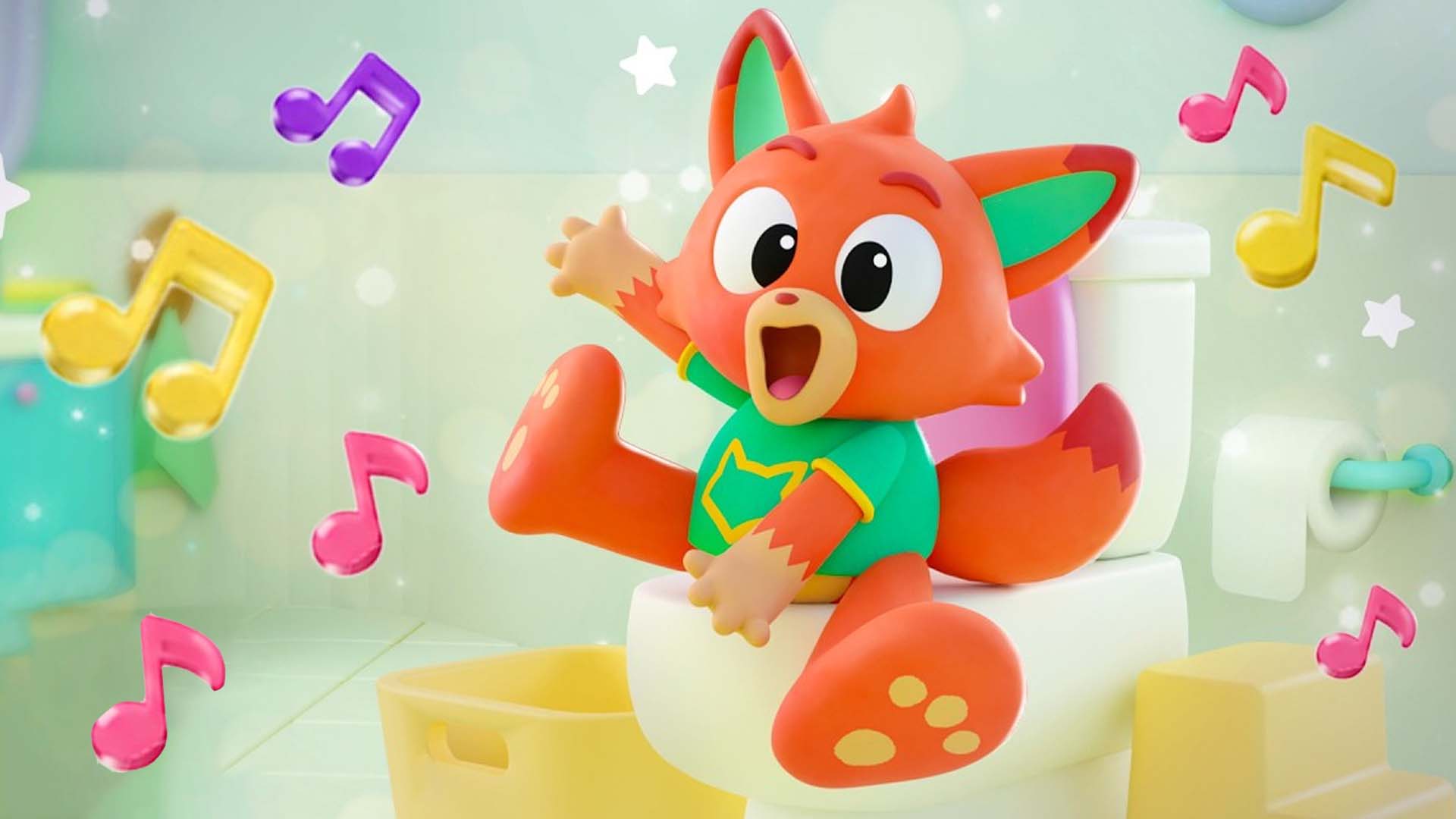
The Rise of Automated Entertainment
In a move that has sent shockwaves through the gaming and animation industry, Disney has officially begun integrating generative AI into its digital content pipeline. While Disney has long been a titan of creativity, the shift toward what many critics are labeling ‘AI slop’ marks a significant turning point for how entertainment is consumed by younger generations. This transition is not merely about movies; it has profound implications for the world of interactive gaming.
Why Generative AI Matters for Gaming
Generative AI in gaming is a double-edged sword. On one hand, it allows for procedural world-building and dynamic NPC dialogue that could theoretically make virtual environments more immersive. On the other hand, the reckless implementation of AI-generated assets poses a threat to artistic integrity, character design, and the emotional resonance that handcrafted titles like Bluey: The Videogame provide for families. When a major player like Disney moves toward automation, the industry standard shifts, risking a flood of low-quality, soulless experiences that lack the human touch.
The Quality Gap in Modern Interactive Media
Families have traditionally looked to Disney for quality-controlled, premium experiences. By leaning into AI, there is a legitimate concern that the ‘magic’—the meticulous animation, the carefully scripted humor, and the thoughtful gameplay mechanics—is being sacrificed for efficiency. AI-generated narratives often fall into the trap of ‘uncanny valley’ storytelling, where the rhythm feels off and the creative vision is blurred by algorithmic biases. In the gaming space, this translates to repetitive quests, nonsensical dialogue, and visual assets that fail to capture the charm of legacy franchises.
The Impact on Young Gamers
Children are the most impressionable demographic in the gaming landscape. When the content they interact with is produced by automated models rather than talented human writers, artists, and game designers, we lose a layer of cultural depth. Gaming is not just about entertainment; it is a medium of expression. Replacing human ingenuity with AI-generated templates potentially stunts the development of high-quality, thought-provoking interactive media. We are seeing a shift where ‘content’ is prioritized over ‘gameplay,’ a dangerous trend that prioritizes quarterly earnings over player satisfaction.
What Lies Ahead for Disney Gaming?
While the company hasn’t fully abandoned traditional development, the incorporation of AI into their digital workflows suggests a shift in priorities. Whether this leads to a new era of personalized, modular gaming or a decline in creative output remains to be seen. Industry experts are already questioning if this move will force smaller indie developers to compete with an avalanche of cheap, AI-generated titles on storefronts like Steam or the Nintendo eShop. If the market is flooded with ‘slop,’ discerning quality will become significantly harder for parents and casual players alike.
Can Human Craftsmanship Survive?
The gaming industry thrives on passion. From the intricate pixel art of retro classics to the sprawling, hand-crafted open worlds of modern epics, human effort is the defining characteristic of a great game. As Disney embraces AI, the challenge for the rest of the industry is to double down on what machines cannot replicate: genuine soul and emotional depth. We must champion studios that prioritize the human element, ensuring that the future of interactive entertainment remains a vibrant, human-centric endeavor rather than an endless loop of machine-generated content.