
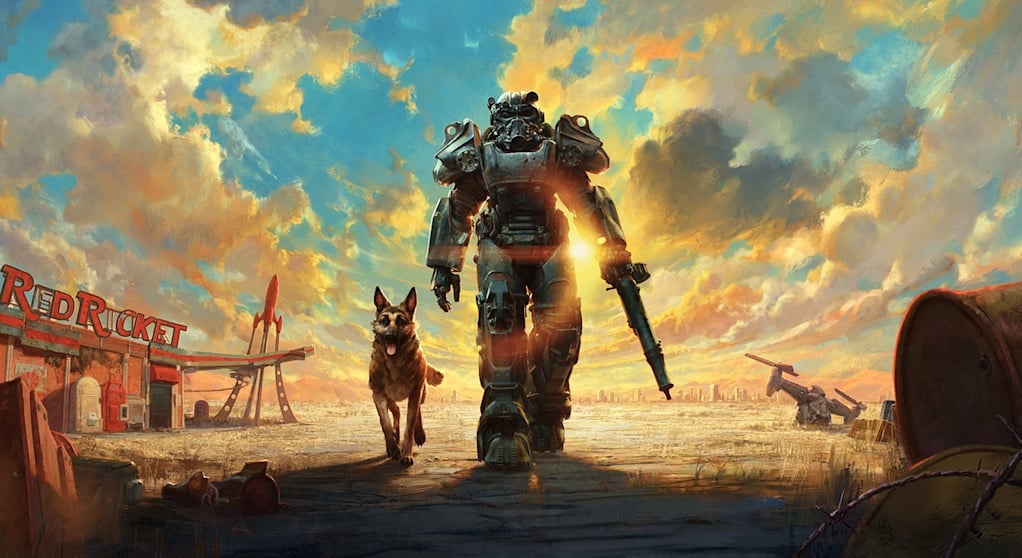
The Great Xbox Exclusivity Debate Rages On
For years, the gaming community has been locked in a speculative battle regarding the future of Bethesda Game Studios’ crown jewels: The Elder Scrolls 6 and Fallout 5. As Microsoft continues to evolve its platform strategy, the question of whether these massive RPG titans will remain locked to the Xbox ecosystem has become the industry’s most persistent mystery. Recently, Bethesda’s Todd Howard finally broke the silence, though his comments have left fans craving more concrete answers.
Todd Howard’s Calculated Silence
In a recent industry interview, Todd Howard addressed the burning question regarding the release platforms for his upcoming projects. When pressed on whether the next entries in the Elder Scrolls and Fallout franchises would be exclusive to Xbox hardware, Howard maintained a neutral stance. He noted that it is currently ‘too early’ to comment on release strategies for games that are still deep in their development cycles. This strategic ambiguity is classic Bethesda, allowing the studio to focus on craft while keeping their future business options open amidst a shifting market landscape.
The Shifting Landscape of Xbox Publishing
Microsoft has undergone a significant transformation since the acquisition of ZeniMax Media. While titles like Starfield served as major pillars for the Game Pass ecosystem, the industry has seen a pivot toward a more multiplatform approach for other Xbox-owned IPs. This has sparked hope among PlayStation and Nintendo enthusiasts that they might one day step back into the wastes of post-apocalyptic America or the fantasy realms of Tamriel without needing a Microsoft-branded console.
Why Strategy Matters More Than Ever
The gaming industry is currently at an inflection point. Exclusive content has long been the primary driver for hardware sales, but the rise of subscription services and cloud gaming has blurred these lines. For developers, the goal is to get their games into the hands of as many players as possible. However, the value of the Xbox console ecosystem relies heavily on the ‘prestige’ of day-one exclusive releases. The decision to make The Elder Scrolls 6 a multiplatform title or a hardware seller is a complex calculus involving billions of dollars in potential sales versus long-term console market share.
Predicting the Future: What Can We Expect?
Looking at the trajectory of modern gaming, it is increasingly likely that a ‘hybrid’ strategy will emerge. We have seen other publishers test the waters by releasing games on rival platforms after a period of exclusivity. While Todd Howard’s team is undoubtedly focused on delivering the highest quality experience, they must also balance the directives of their parent company. Whether or not Fallout 5 hits other platforms, the technical demands of these titles suggest they will be built to push the limits of whatever hardware they grace.
The Long Road to Release
It is important to remember that for both The Elder Scrolls 6 and the eventual Fallout 5, the finish line remains on the horizon. Bethesda is a studio known for long development cycles, prioritizing mechanical depth and massive open-world immersion. By the time these games reach our screens, the market dynamics of 2026 may look entirely different from today. As fans wait, the best course of action is to focus on the technical evolution Bethesda is currently driving with their latest updates and ongoing expansions.
Final Thoughts on the Franchise Future
Will we see the Lone Wanderer or the Dragonborn on competing hardware? For now, the answer remains locked behind the vault door. Todd Howard’s refusal to commit to a binary answer suggests that Microsoft is keeping its options open, evaluating the success of its current multiplatform experiments before locking in the fate of its biggest franchises. Regardless of where they launch, these games represent the absolute peak of single-player RPG design, and they remain the most anticipated titles in modern gaming history.